Home › Gravel-to-Asphalt Conversions
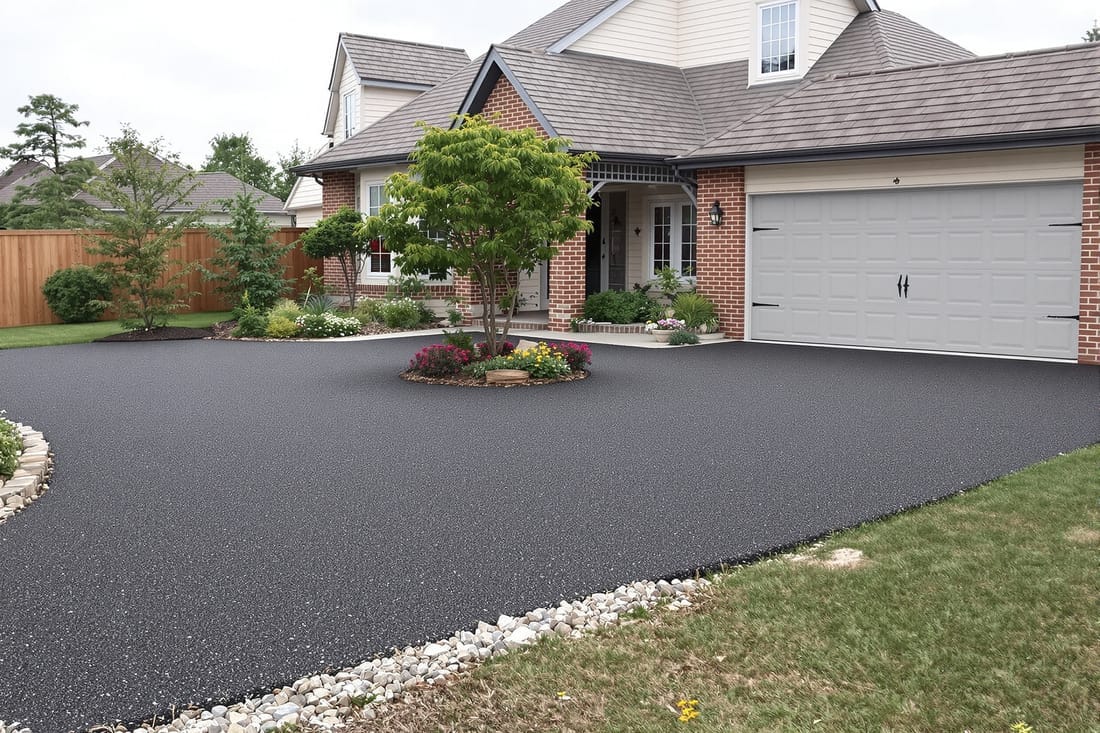
Trade mud, dust, and ruts for a clean, smooth surface with gravel to asphalt driveway conversions in Columbia, SC. We regrade, compact, and install a proper base before paving so your new asphalt holds up. Precision Asphalt Columbia helps homeowners upgrade gravel driveways and parking areas into durable blacktop that is easier to maintain and drive on.
Precision Asphalt Columbia provides professional gravel to asphalt driveway throughout Columbia, SC, South Carolina and the surrounding area. Our licensed, insured crew delivers safe, clean, on-time work with a free estimate before anything begins. Call (803) 918-6098 or request your free quote.
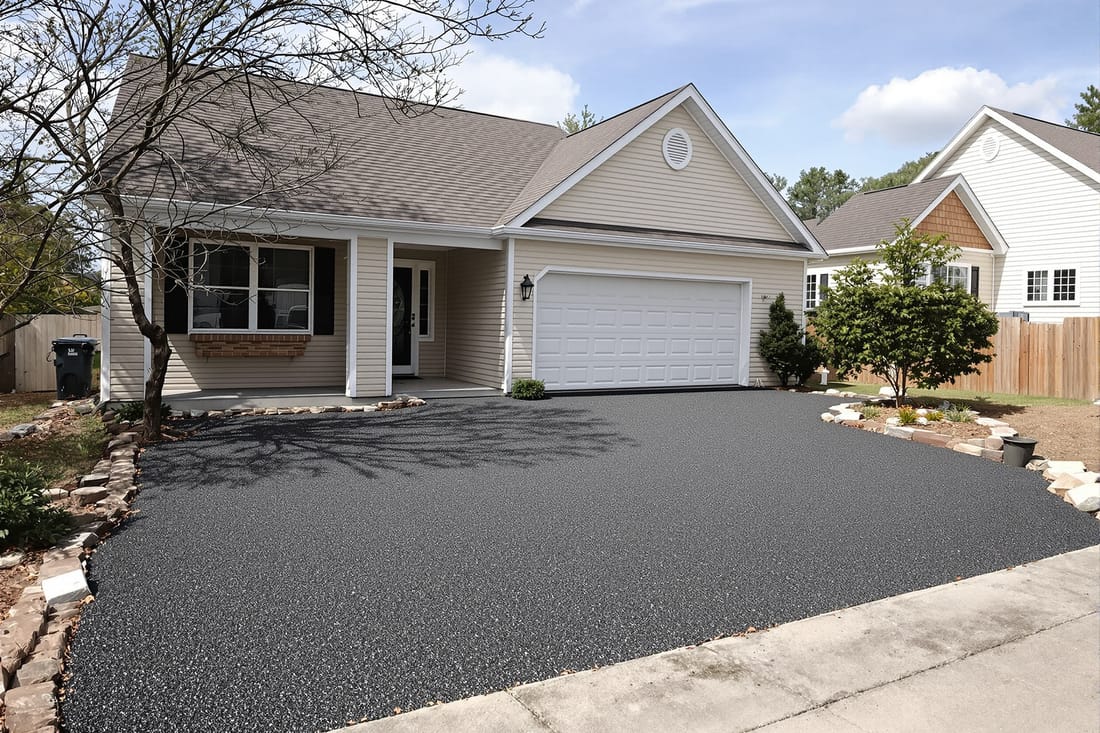
Turn Your Gravel Driveway Into a Smooth Asphalt Surface
If you are tired of dust clouds, ruts, and loose rock every time you pull into your driveway, a gravel to asphalt driveway conversion can make daily life easier. At Precision Asphalt Columbia, we help homeowners and small businesses across Columbia, SC trade bumpy gravel drives for clean, durable asphalt that stands up to Midlands weather.
Gravel driveways seem simple, but the constant washouts from summer storms, potholes from traffic, and weed growth can mean nonstop maintenance. Asphalt creates a stable, sealed surface that is easier to drive on, simpler to plow or blow in winter, and neater for guests and deliveries. Many of our Columbia customers also choose to convert because asphalt improves curb appeal and can support heavier vehicles like work trucks or boat trailers without scattering stone.
Our team lives and works in the Columbia area, so we understand the red clay soils, drainage issues on sloped lots, and how high heat can affect pavement. We design each gravel to asphalt driveway project to match the specific property instead of using a one-size-fits-all approach.
How We Evaluate Your Existing Gravel Driveway
Every conversion starts with a site visit so we can see what is under your tires today. Gravel driveways in Columbia vary widely. Some have a deep, well compacted base that can be reused, while others are just a thin layer of stone over soft clay. This difference is one of the biggest cost and quality factors.
During the evaluation, a Precision Asphalt Columbia estimator will:
• Probe the existing gravel and base to measure depth and check how firm it is.
• Look at how water drains across and along the driveway during a typical storm path.
• Note low spots, tire ruts, and areas where gravel has migrated into the yard.
• Check access for paving equipment, especially on narrow or tree lined drives.
We also talk through how you use the space. A homeowner who backs a trailer to a side yard, or a small business that receives box-truck deliveries, will need different thicknesses and layout than a family with only cars and SUVs. By the end of this visit, you will know whether your existing gravel base can be incorporated, what sections need rebuilding, and any drainage work required before paving.
Step-by-Step Gravel to Asphalt Conversion Process
Once we agree on a plan and price, we schedule the work around weather, since humidity and afternoon thunderstorms are common in Columbia summers. Our typical gravel to asphalt driveway conversion includes these steps:
1. Grading and reshaping. We use graders and skid steers to reshape the existing gravel, correct slopes, and cut out soft or pumping areas. Any organic soil or mud pockets are removed so they do not cause future settling.
2. Base repair or replacement. Where the base is weak, we add and compact new crusher run (a blend of stone and fines) in several passes. In areas that see heavy loads, like turnarounds or parking spots by garages, we often thicken the base to support the asphalt above.
3. Drainage improvements. If water currently runs down the driveway like a stream, we may cut shallow swales beside it, add a small culvert at the road, or install a channel drain in front of the garage. Proper drainage is critical in our heavy Columbia rainstorms.
4. Fine grading and compaction. Before paving starts, we run a vibratory roller to tighten the base and set the final profile. This is when you will see the final shape, including any crowns or gentle slopes.
5. Asphalt installation. We lay hot mix asphalt using a paver for consistent thickness, usually in one or two lifts depending on design. The mix is delivered from local plants in the Columbia area so it stays at the correct temperature during placement.
6. Rolling and finishing. Steel and rubber-tire rollers compact the asphalt to lock the stone and liquid asphalt binder together. We then cut clean edges along turf or landscaping and, if requested, stripe or mark parking areas.
From start to finish, most residential drive conversions in our area take one to two days on site, depending on length and how extensive the base work is.
Material Options and Design Choices for Your New Driveway
Even though driveways look simple, there are several choices that affect cost, look, and performance. Precision Asphalt Columbia walks you through these options before work begins so there are no surprises.
Asphalt thickness and structure are key. Many Columbia homes do well with 2 to 3 inches of compacted asphalt over a solid base for passenger vehicles. If you regularly park heavy work trucks, RVs, or equipment trailers, we may recommend 3 to 4 inches or a combination of base asphalt and surface asphalt for added strength.
Mix type can be adjusted too. For residential driveways, we typically use a fine or medium surface mix that gives a smoother finish and is easier to shovel or blow clean. In shaded areas where moss or moisture can linger, we may suggest a slightly coarser aggregate to provide better traction.
Layout details matter. During design, you can choose gentle curves, wider parking pads near the house, or a turnaround so you no longer have to back into busy Columbia streets. We also plan edge treatments, such as tying into existing concrete, aligning with brick paver walkways, or creating clean transitions to lawns.
Finally, we discuss color expectations. Fresh asphalt starts deep black, then naturally fades to charcoal over time as it cures in the sun. This is normal and does not mean the pavement is failing.
What Affects Cost on a Gravel to Asphalt Driveway Project
Customers in Columbia often ask why gravel driveways that look similar can have very different paving prices. The final cost of a gravel to asphalt driveway depends on several specific factors.
Base condition is usually the largest cost driver. A long driveway with a strong, existing gravel base may only need minor corrections before paving. A shorter drive built on soft red clay with poor drainage may require excavation, added stone, or even geotextile fabric under the base to keep it stable.
Driveway length, width, and access affect both materials and labor. Narrow, winding drives that our trucks and pavers cannot easily reach may require more hand work and smaller equipment. Steep slopes, which are common on lake properties and some older Columbia neighborhoods, can also increase time and complexity.
Drainage improvements, like culverts, swales, and small retaining transitions, add to the budget but often save you from washouts later. We will separate these items on your estimate so you can see what is required and what is optional.
Finally, timing plays a role. Warm but not extremely hot weather provides the best paving conditions in the Midlands. Scheduling work in spring or fall can sometimes improve efficiency and may offer more flexible pricing than peak summer weeks when plants and crews are at maximum capacity.
Common Issues With Conversions and How We Prevent Them
Converting a gravel driveway to asphalt the wrong way can create headaches and expenses later. Precision Asphalt Columbia focuses on preventing the common issues we see when gravel drives are paved without proper preparation.
One major problem is reflective cracking, where existing ruts, soft spots, or old utility trenches telegraph up through the new asphalt. We prevent this by cutting out and rebuilding weak areas instead of simply paving over them. Another frequent issue in our rainy climate is edge break, where the sides of the asphalt crumble because there is no support. To avoid this, we build the base slightly wider than the finished drive and compact it fully so the asphalt is supported from below and the side.
Drainage mistakes can shorten pavement life. If water is allowed to stand in depressions or run straight down the center of the drive, the surface can ravel and crack earlier than it should. We set slopes so water sheds off the pavement and, when needed, install ditches or drains to carry it away.
Finally, traffic on fresh asphalt is often misunderstood. In Columbia heat, new asphalt can be more susceptible to scuffing in the first days. We provide clear guidance on when to drive, where to avoid tight turns, and how to keep parked vehicles from leaving depressions while the surface finishes cooling and hardening.
What to Expect After Paving and How to Get Started
A well built gravel to asphalt driveway requires very little day to day maintenance. After installation, you can expect the surface to be ready for light vehicle traffic typically within 24 hours, depending on temperature. In the first week, we advise avoiding parking in the same spot for long periods and keeping motorcycle kickstands, jacks, or trailer tongues off the surface without pads.
Routine care is simple. Keep the driveway clear of standing leaves and debris so moisture does not stay trapped. Clean up oil or fuel spills promptly, especially under parked vehicles. Crack sealing and sealcoating are optional services that can be added later in the asphalt life cycle to extend its service life, and we can talk through appropriate timing for Columbia conditions.
If you are considering a gravel to asphalt driveway conversion anywhere in the Columbia, SC area, from Forest Acres and Irmo to Blythewood and Lexington, Precision Asphalt Columbia can provide a clear, written estimate and a realistic schedule. We are happy to review property photos or meet on site to discuss layout ideas, base concerns, and how to get the most value from your investment.
Contact Precision Asphalt Columbia to schedule a consultation, and we will help you turn a dusty gravel lane into a smooth, durable asphalt driveway that fits your property and the way you live.