Home › Asphalt Pathways, Sidewalks, and Trails
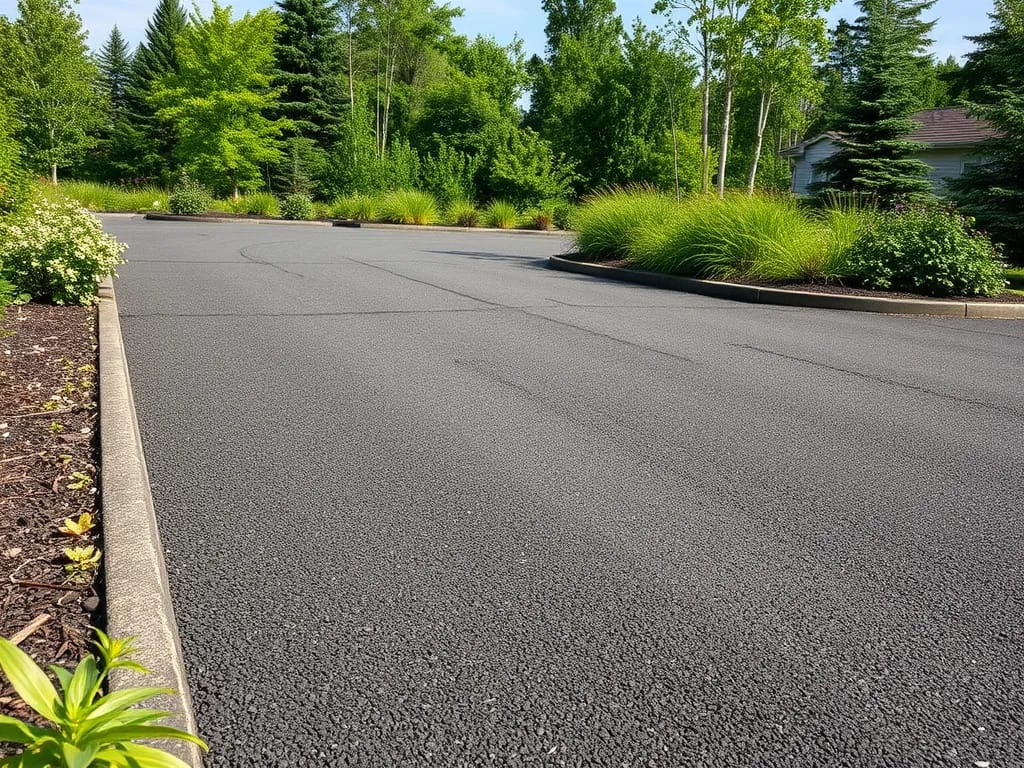
Connect people and places with asphalt pathway paving in Columbia, SC. We construct multi use trails, park paths, and sidewalks that are smooth and accessible for walkers, bikes, and strollers. Precision Asphalt Columbia builds routes with proper grading and transitions to meet comfort and accessibility goals.
Precision Asphalt Columbia provides professional asphalt pathway paving throughout Columbia, SC, South Carolina and the surrounding area. Our licensed, insured crew delivers safe, clean, on-time work with a free estimate before anything begins. Call (803) 918-6098 or request your free quote.
Durable Asphalt Pathways, Sidewalks, and Trails in Columbia, SC
A well built asphalt pathway or sidewalk is more than a strip of blacktop. It affects how safely people move around your property, how stormwater drains, and even how your landscaping holds up over time. At Precision Asphalt Columbia, we focus on asphalt pathway paving that fits how people in Columbia actually use their outdoor spaces, from neighborhood walking loops to school sidewalks and church trails.
We commonly build asphalt walkways for HOA common areas, connector paths between parking lots and front doors, and walking trails around ponds and retention basins. For each project, we look at how many people will use it, whether it will see golf carts or light service vehicles, and what kind of soil and drainage we are working with in the Midlands clay. Those details determine the base thickness, asphalt mix, and slope we recommend.
Because Columbias weather swings from heavy summer thunderstorms to winter freeze-thaw cycles, we design pathways that shed water and hold up to heat. Our goal is to give you a surface that feels smooth underfoot, keeps puddles away from entrances and landscaping, and does not unravel at the edges after a couple of seasons.
Our Step-by-Step Asphalt Pathway Paving Process
Every pathway, sidewalk, or trail starts with layout and planning. We meet you on site to walk the route, mark the edges with paint or flags, and check grades with levels or laser equipment. For HOA paths or school sidewalks, we often adjust alignments slightly to save mature trees, avoid irrigation lines, or improve visibility around corners.
Once the layout is approved, we move to excavation. For most residential or light commercial walkways, we remove 6 to 10 inches of soil along the planned route. On soft or wet ground near creeks or low areas, we may excavate deeper and replace poor soils with better structural fill. All organic material like roots and topsoil is removed, because it will settle and cause future cracking.
We then install the stone base, usually a graded aggregate base (GAB) or crusher run compacted in layers with plate compactors or small rollers. Typical pathway bases in Columbia are 4 to 8 inches thick, depending on expected traffic and soil conditions. Proper compaction is critical; if the base moves under our machines, it will move under pedestrians later.
After the base is shaped to the final grade with a slight crown or cross slope for drainage, we place the hot mix asphalt. For walkways, we usually install 2 to 3 inches of compacted asphalt in one or two lifts. We use smaller pavers or, on tight or curved trails, we may spread asphalt by hand and compact it with walk behind rollers. Joints are overlapped and compacted carefully so there are no trip edges between passes.
The last step is edge support and clean up. On some projects we cut a neat edge into adjacent turf so the asphalt sits slightly above the grass, which helps water run off. Where needed, we add topsoil and seed or pine straw along edges so the new path ties into the existing landscape.
Design Options for Walkways, Sidewalks, and Trails
Columbia properties use asphalt pathways in different ways, so we match the design to your goals. For a simple residential connector from driveway to front door, a 4 to 5 foot wide path is usually enough, with a standard pedestrian asphalt mix and gentle slopes that meet ADA guidelines when needed. In HOA common areas, we often recommend 6 foot or wider walks so two people can pass comfortably or walk side by side.
For multi use trails that might see strollers, bikes, or occasional utility carts, we upgrade the asphalt mix and base thickness. A thicker base and surface layer control rutting and edge cracking where wheels concentrate load. In some cases, we suggest a slightly wider paved area plus 1 foot grass shoulders on each side to provide a bit of recovery space for users.
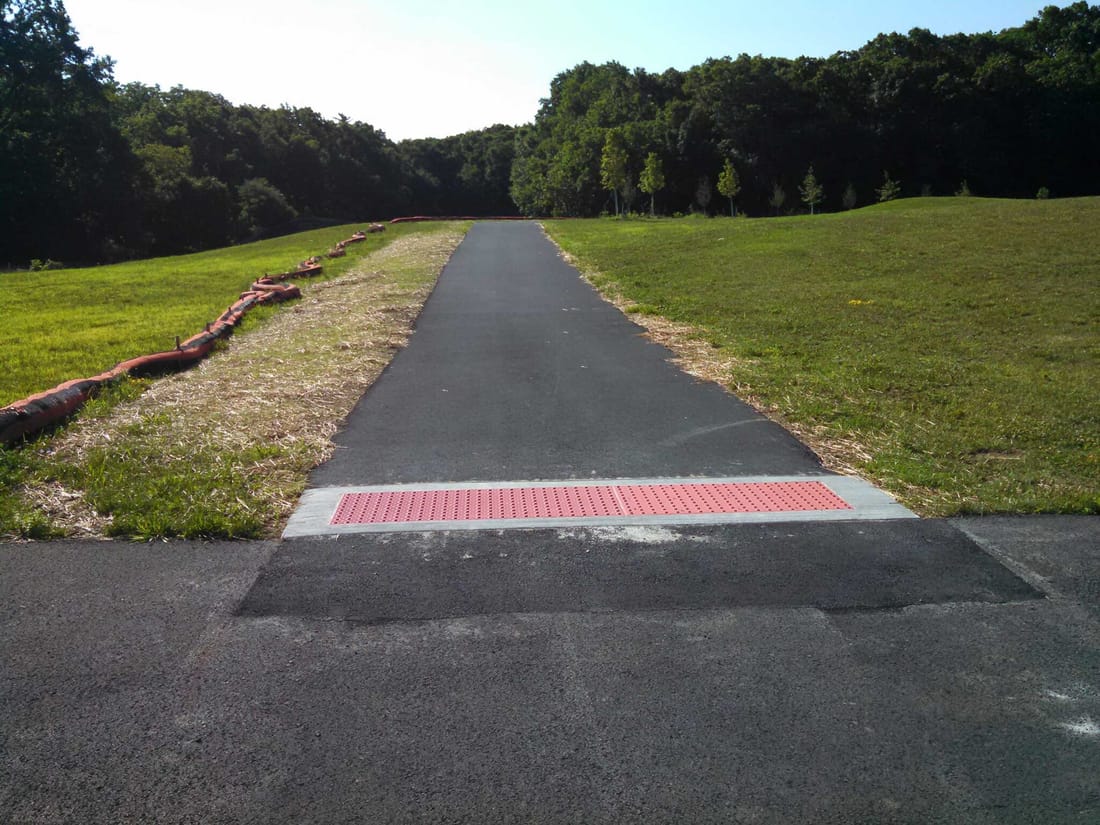
Visually, asphalt does not have to look plain. We can saw cut clean joints where paths meet concrete sidewalks or curbs, use contrasting striping at crossings, and add broom finished concrete aprons at doors or stair transitions. On school and church campuses, clients sometimes choose flared pull off areas along trails for benches, small gathering spots, or exercise stations. We plan these in the layout so drainage still works properly and surfaces stay smooth.
Lighting, signage, and railings are also part of a complete pathway system. While we typically do not install electrical work, we coordinate pathway alignment and base preparation so electricians or other trades can add light poles, call boxes, or bollards without damaging the pavement.
What Drives the Cost of Asphalt Pathway Paving
Pathway and sidewalk pricing in Columbia depends on more than square footage. When we estimate your project, we look closely at access, grading, and subsoil conditions. A straight, level walkway from a driveway to a front porch might be accessible with a small machine and require minimal excavation, which keeps costs down. A winding trail through a wooded area with trees to protect and drainage issues to solve will involve more labor and sometimes handwork.
Soil conditions are a major cost driver. In parts of Columbia with very dense clay or existing compacted fill, we may be able to install a standard base thickness. In low lying or wet areas, or where there is a layer of soft topsoil, we will recommend deeper excavation and more stone. This adds material cost, but it directly prevents early cracking and settling.
Other factors include total path width, the thickness of asphalt, whether the project needs ADA compliant ramps or landings, and how many tie ins there are to existing concrete or asphalt. Each transition takes extra cutting, cleaning, and often a bit of hand forming so there are no trip hazards. If your project involves working during school hours, around a busy church schedule, or inside a gated HOA with access limits, staging and coordination may also affect cost.
We are straightforward about all of this. Precision Asphalt Columbia provides itemized proposals that break out base preparation, asphalt paving, and any optional features like striping or concrete aprons so you can adjust the design to match your budget.
Common Pathway Problems in Columbia and How We Prevent Them
In the Midlands, we see the same few issues repeated on poorly built asphalt pathways. Edge cracking is one of the most common. Thin edges built right on top of soft soil tend to break off when mowers run along them or when water undermines the sides. To avoid this, we extend the stone base slightly beyond the finished asphalt and make sure edges are compacted tightly. On high use trails, we may suggest concrete or timber edging where there is heavy side loading.
Drainage is another frequent problem. Long flat sections that trap water lead to surface raveling and algae growth, which can be slippery. During layout and grading, we set a minimum cross slope so water runs to the side, then make sure surrounding grades allow it to continue away instead of ponding at the edges. In known wet spots, we sometimes add small French drains or tie in to existing drainage structures.
Tree roots are a reality on many Columbia properties. Smaller roots that are left in place can push up the asphalt over time and create trip hazards. We remove problem roots during excavation and, where possible, adjust the route to give large trees enough space. If a path must pass close to a mature tree, we discuss expectations up front and may design a wider base or add a transition zone to make future repairs easier.
Finally, we pay attention to joints and surface smoothness. Poorly compacted seams show up quickly on lightly built sidewalks. Our crews use the right size rollers for narrow paths and overlap passes at joints so there are no ridges. Before we leave, we walk the project with you to spot and correct any imperfections while the mix is still workable.
Local Codes, HOA Rules, and Accessibility in Columbia, SC
Pathways and sidewalks often trigger local approval processes, especially for commercial sites and organized neighborhoods. Within Columbia and Richland County, site improvements at businesses, schools, churches, and multifamily properties typically fall under city or county development standards. These often reference ADA requirements for maximum slopes and landings, along with rules about connections to public sidewalks and parking areas.
When we work with property managers or facility directors, Precision Asphalt Columbia coordinates with your civil engineer or architect if one is involved, or we can help interpret basic slope and cross slope guidelines so new pathways are comfortable and compliant. We pay attention to transitions at curb ramps, door thresholds, and accessible parking so wheelchair users and people with mobility challenges can move smoothly along the route.
In HOAs around Columbia, asphalt trails and walkways usually must be approved by the architectural review committee or board. Many communities have standards for path widths, color, and how close trails can run to lot lines, fences, or ponds. We are happy to provide sketches, typical sections, and material descriptions that you can submit with your application. This often speeds up approvals and prevents surprises later.
For projects that connect to public right of way, such as tying a private trail into a city sidewalk along the street, additional permitting may be needed. If your engineer or designer is handling this, we coordinate our work schedule with their permit timeline. If you are a small business owner without a design team, we can point you toward the right city or county offices and explain which parts of your plan usually require sign off.
Maintenance, Repairs, and Extending Pathway Life
Asphalt pathways and sidewalks do not require much day to day attention, but a few simple habits make a big difference in how long they last. Keeping edges clear of standing water and leaf buildup helps the surface dry quickly after storms and reduces moss and algae. In shaded areas and along ponds, we recommend occasional gentle cleaning with a broom or low pressure water, not harsh chemicals that can damage adjacent landscaping.
For cracks that develop over time, early attention is important. Hairline cracks can often be sealed with hot rubber crack filler, which keeps water from getting into the base. When we install your walkway, we can include an optional maintenance plan that schedules an inspection after the first couple of years to catch small issues. On heavily used trails, sealcoating every few years can protect the surface from UV and make it easier to clean, although we are cautious about using very slick sealers on slopes.
If a section of pathway settles or is damaged by utility work, we can saw cut and patch only the affected area instead of replacing the entire route. For projects we built, Precision Asphalt Columbia keeps notes on base thickness and mix type so repairs can match the existing surface. On older paths that someone else installed, we evaluate whether the underlying base is sound. Sometimes a full depth patch that rebuilds the base is more cost effective than repeated thin overlays.
When it is time to add on or reroute a portion of your trail system, we consider how new work will tie into older surfaces. Where there is a height difference, we feather transitions so walkers, joggers, and wheelchairs move smoothly from one section to the next. Our aim is to keep your entire network of asphalt pathways, sidewalks, and trails safe and comfortable to use for many years.