Home › Commercial Gravel-to-Asphalt Conversions
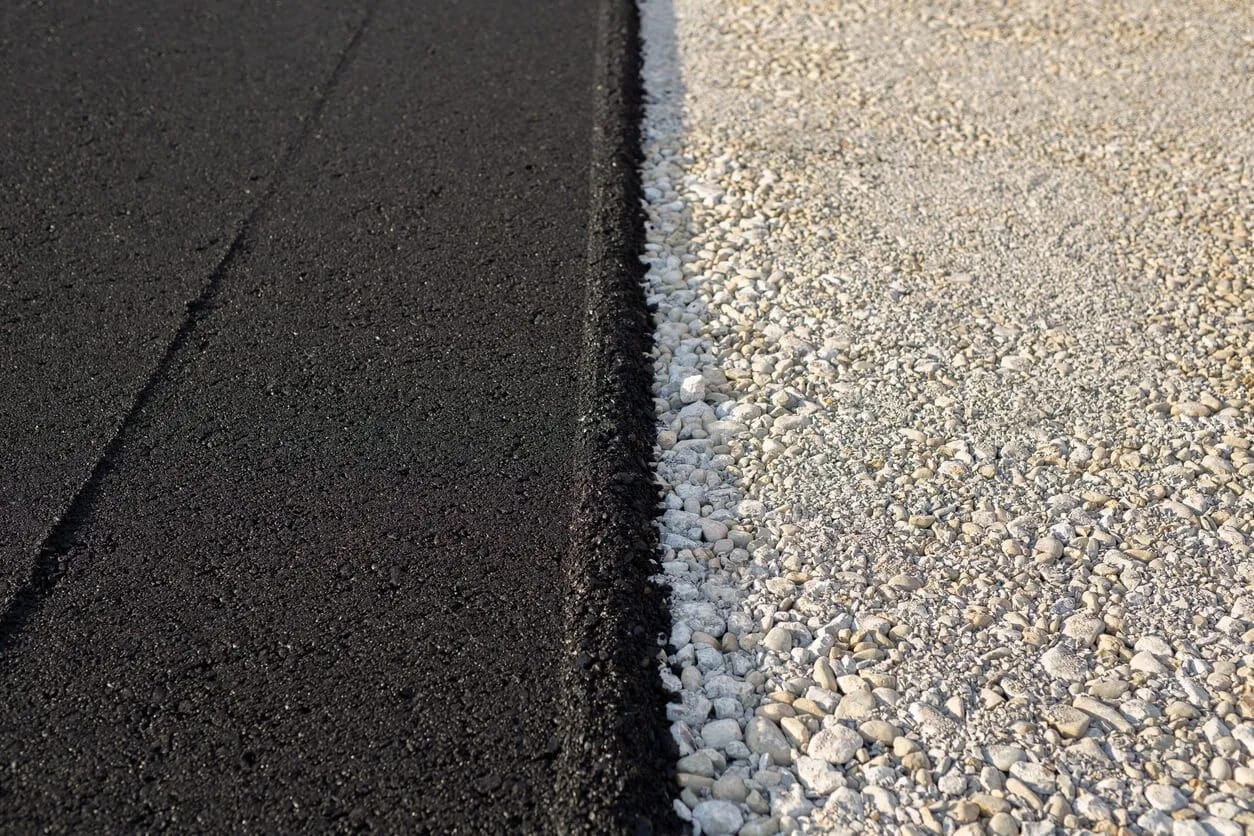
Upgrade your property with commercial gravel to asphalt conversions in Columbia, SC. We convert dusty, uneven gravel lots and drives into smooth asphalt surfaces that are easier to plow, stripe, and maintain. Precision Asphalt Columbia evaluates drainage and base conditions so your new pavement performs under daily traffic and deliveries.
Precision Asphalt Columbia provides professional commercial gravel to asphalt throughout Columbia, SC, South Carolina and the surrounding area. Our licensed, insured crew delivers safe, clean, on-time work with a free estimate before anything begins. Call (803) 918-6098 or request your free quote.
Commercial Gravel-to-Asphalt Conversions in Columbia, SC
Loose gravel lots may have worked when traffic was light, but as your business grows in Columbia, that surface starts costing you money in maintenance, dust, and lost curb appeal. Precision Asphalt Columbia specializes in commercial gravel-to-asphalt conversions that turn rutted, uneven stone into a smooth, durable asphalt surface designed for real traffic and real weather in the Midlands.
We work with retail centers, medical offices, churches, small industrial sites, trucking yards, and multifamily properties throughout Columbia, West Columbia, Cayce, Lexington, and nearby communities. Most of our clients come to us because the gravel has become a problem: customers tracking rocks into the building, delivery trucks getting stuck in wet spots, or stormwater washing stone into drains.
Our approach is not to simply “pave over” the gravel. We evaluate the existing base, drainage, and traffic patterns and then design a commercial asphalt section that matches how your site is actually used. The result is a surface that looks professional, is easier to maintain, and reduces liability from trips, falls, and vehicle damage.
Site Evaluation and Planning Specific to Midlands Soils
Successful commercial gravel-to-asphalt conversions in Columbia start with understanding the soil beneath your stone. Our area has a mix of sandy soils, red clay, and compacted fill, so Precision Asphalt Columbia always performs a site evaluation before we recommend pavement thickness or a final design.
We walk the entire area, probe the gravel depth, and look for chronic problem spots such as low areas holding water after storms, wheel ruts where trucks routinely track, and edges where gravel has migrated into grass or ditches. When appropriate, we can schedule test pits or proof-rolling with a loaded truck to see how the subgrade responds under real loads.
During planning, we review how the lot is used. For example, a small office lot with sedans and SUVs can use a different asphalt section than a warehouse lot serving loaded 18-wheelers entering from I-26 or I-77. We consider turning movements at loading docks, the path of fuel trucks, EMS access at medical offices, and typical delivery routes. All of this informs our recommendations on base preparation, asphalt mix, and thickness so the new surface stands up to the daily abuse it will see.
Step-by-Step: How We Convert Gravel to Asphalt
Many property managers are surprised to learn how involved a proper gravel-to-asphalt conversion is. At Precision Asphalt Columbia, the process is systematic so you know what to expect from the first visit to striping.
1. Layout and grading checks. We verify property boundaries, existing entrances, and drainage paths. If the gravel lot has slowly “grown” onto grass or into right of way, we re-establish proper edges and slopes.
2. Scarifying and reworking existing stone. We loosen compacted gravel, remove contaminated material like mud pockets or organics, and reshape the aggregate to maintain a uniform cross slope for drainage. In some projects we reclaim and reuse much of your existing stone to save cost, provided it is clean and structurally sound.
3. Subgrade corrections. Soft spots are excavated and replaced with compacted structural fill or additional aggregate. In clay-heavy areas around Columbia, we may recommend undercutting and replacing several inches of soil to avoid future pumping and rutting.
4. Base construction and compaction. We install and compact additional graded aggregate base where needed, usually in lifts of 2 to 4 inches, using vibratory rollers. The goal is to create a tight, non-yielding base that meets a specified compaction level, not just “looks flat.”
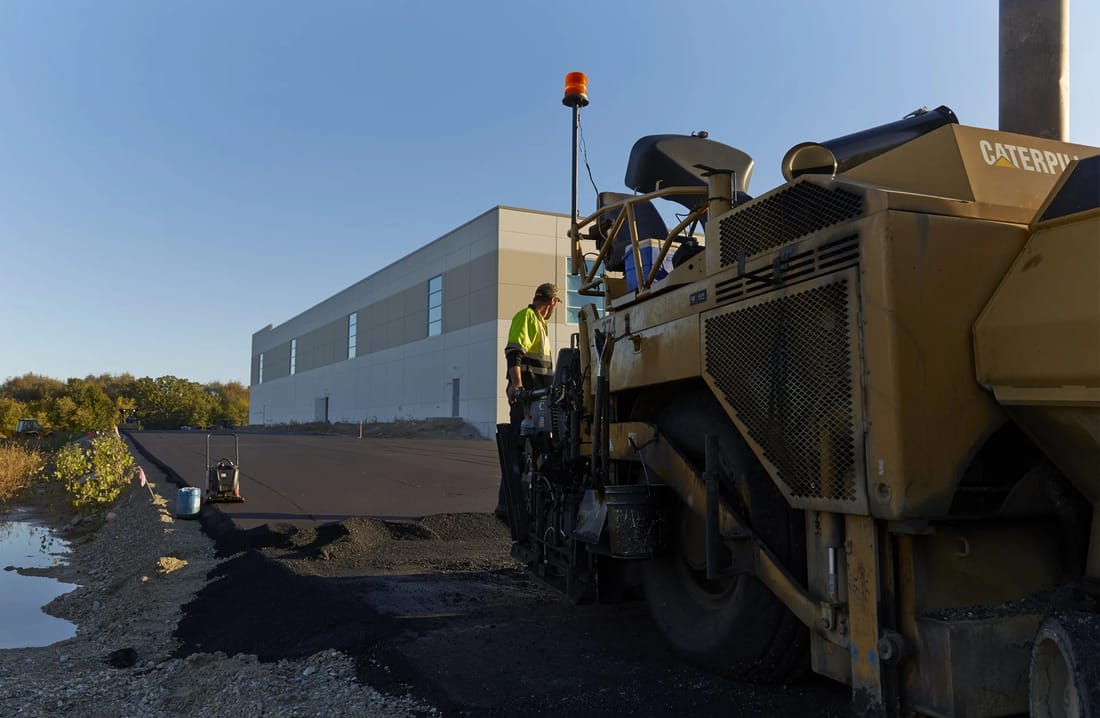
5. Binder and surface asphalt placement. For most commercial lots we place a thicker binder course first, followed by a finer surface course. The binder provides structure for heavier vehicles, while the surface course delivers the smooth, sealed finish that customers see.
6. Joint work, transitions, and edges. We pay special attention to tie-ins at drive entrances off corridors like Two Notch Road or Garners Ferry Road, transitions at sidewalks and ramps, and asphalt edges at landscaping. Clean joints reduce future cracking and settlement.
7. Striping and final details. After proper cooling, we mark parking spaces, ADA stalls, fire lanes, and traffic arrows, and can install wheel stops or bollards when needed. Your gravel lot is now a fully functional, code-compliant asphalt parking facility.
Design Options: Thickness, Mixes, Drainage, and Layout
Commercial gravel-to-asphalt conversions are not one-size-fits-all. Precision Asphalt Columbia customizes each project based on your use and budget so you do not pay for unnecessary thickness, but you also do not end up with premature failures.
Pavement thickness and section. For light-duty commercial parking in Columbia, we typically recommend 2 to 3 inches of asphalt over a properly compacted stone base. For heavy truck or dumpster lanes, that may increase to 4 or more inches or include a thicker aggregate base. We can separate heavy-duty lanes from standard parking to keep costs efficient.
Mix selection. We typically use SCDOT-approved hot mix asphalt so material quality is consistent. Coarser mixes work well in heavy traffic lanes and loading areas, while tighter surface mixes provide a smoother, more attractive finish in customer parking zones.
Drainage features. Many gravel lots rely on water simply soaking through stone. Once converted, that water must be intentionally directed. Options include establishing a proper crown, installing valley gutters, or adding catch basins and piping where necessary. In several Columbia church lots, for example, we have added a few strategic inlets to solve long-standing puddles that formed after big thunderstorms.
Layout improvements. A conversion is the ideal time to adjust stall angles, drive aisles, and accessible parking to meet current codes and improve traffic flow. We can reconfigure a chaotic gravel field into clearly marked, efficient parking that maximizes spaces without causing congestion at peak times.
What Drives Cost on a Gravel-to-Asphalt Conversion
Property owners often ask why converting gravel costs more than simply resurfacing existing asphalt. The answer lies in base preparation and drainage. Precision Asphalt Columbia is transparent about what drives cost so you can prioritize the right improvements.
Base condition and thickness. If your gravel is shallow, heavily contaminated with soil, or hides soft pockets underneath, more excavation and replacement material will be needed. A site with a deep, clean gravel base may only need reshaping and a moderate amount of additional stone, while a thin, muddy lot behind an older warehouse may require undercutting and reconstruction in key areas.
Traffic loading. Lots that see fuel tankers, delivery trucks for grocery or distribution centers, or regular dumpster service need a more robust section than an insurance office or salon. Heavier pavements require more asphalt tonnage and sometimes thicker aggregate base, both of which directly affect price.
Drainage and grading changes. If existing drainage is poor, we may need to adjust grades, add drain structures, or install swales. Minor grading tweaks are usually inexpensive, while major rework, such as building a detention area, adds more to the project.
Access and phasing. Working at an operating business on Forest Drive or Harbison Boulevard often requires night or weekend work and phasing so customers can still park. Additional mobilizations or restricted work hours can increase project cost compared to a wide-open site.
We walk you through these factors with line items, not lump-sum guesses, so you can see where your money is going and make informed decisions.
Common Problems and How We Prevent Them
Poorly executed gravel-to-asphalt projects often fail in a few predictable ways: early cracking, rutting in drive lanes, standing water, or unraveling at edges. Precision Asphalt Columbia structures every conversion to avoid those issues, especially in the heat and rain patterns specific to Columbia.
Rutting and depressions. These usually come from weak base or subgrade, not the asphalt itself. We address this upfront by proof-rolling and correcting soft spots before paving. In high-stress areas such as dumpster pads or truck staging lanes, we may thicken the asphalt or recommend concrete pads that tie into the asphalt.
Water ponding. Standing water leads to stripping and freeze-thaw damage over time, even in our relatively mild winters. We verify slopes with laser levels and string lines, not by eye. Low spots are corrected in the base phase, then fine-tuned with asphalt leveling if needed.
Edge failures. Gravel lots often do not have defined edges. When converting, we can install concrete curbing, asphalt berms, or saw-cut tie-ins to existing pavements to keep the edge supported. On several local projects, simply adding curb and gutter along the front edge has dramatically reduced edge breakage from vehicles turning too sharply.
Dust and tracking return. If adjacent gravel or dirt remains, fines can migrate onto the new asphalt. We often recommend stabilizing remaining gravel areas, installing a short paved apron at service drives that must stay gravel, or adding wheel-wash stone to keep the new surface clean.
What Columbia Property Owners Should Know Before Hiring
Before you commit to a commercial gravel-to-asphalt conversion, there are a few key considerations that will save you time and money.
Check drainage history. Notice where water stands after a typical summer thunderstorm. Share that information with us or any contractor you interview. Pictures taken after heavy rain can be extremely helpful in designing the right solution.
Confirm permitting and compliance. In the City of Columbia or Lexington County, you may need approvals for new impervious surface, accessible parking, and stormwater. Precision Asphalt Columbia can coordinate with your engineer or help you understand what the municipality will look for before you start.
Ask about base preparation, not just asphalt thickness. Any quote that simply lists “2 inches of asphalt over existing gravel” without discussing compaction, undercutting, or drainage is skipping steps that matter. A proper conversion plan should describe how the contractor will handle soft spots, regrade the stone, and verify compaction.
Plan for access and downtime. We help you phase work so tenants, customers, or trucks still have a way in and out. For example, we may pave one half of a lot at a time, or schedule binder one day and surface and striping on another so operations are minimally disrupted.
Finally, ask for local references for similar conversions, not just new construction paving. Precision Asphalt Columbia can provide examples of gravel-to-asphalt projects nearby, so you can see how a properly converted commercial lot behaves after a few hot Columbia summers and heavy rain events.